
Expert Picks For Landscaping Drainage Installation Equipment
Find out which products professionals rely on for reliable drainage setup and long-lasting landscape performance.
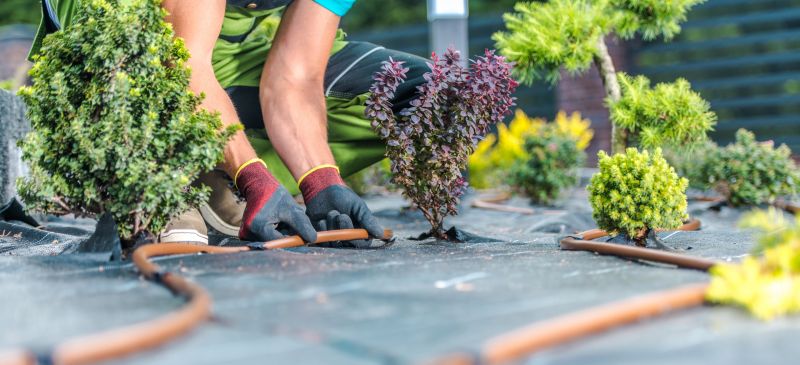 Landscaping drainage installations are essential for managing excess water and preventing issues such as soil erosion, flooding, and landscape damage. Selecting the right products can significantly improve the effectiveness and longevity of drainage systems. From surface solutions like gravel and mulch to subsurface options such as pipes and drainage mats, there is a wide array of products designed to suit various landscape needs. Proper planning and product choice can help ensure water flows away from structures and garden beds, maintaining a healthy and functional outdoor space.
Top Overall Option
Flexible Perforated Drainage Pipe
A versatile and adaptable choice for subsurface drainage, flexible perforated drainage pipes facilitate efficient water movement across various landscape configurations. They are easy to install, can be cut to length, and are compatible with a range of fittings and connectors, making them suitable for many drainage projects. Their perforations allow water to enter from surrounding soil, helping to direct excess water away from foundations, gardens, or low-lying areas. When paired with geotextile fabric and gravel, these pipes form a reliable drainage solution that can be tailored to specific site conditions.
Types of Products For Landscaping Drainage Installations
Perforated Drainage Pipe
Flexible pipes with perforations designed to collect and redirect groundwater, suitable for underground drainage systems.
Drainage Gravel and Crushed Stone
Loose aggregate materials that facilitate water flow around pipes and prevent soil compaction.
Geotextile Fabric
Porous fabric used to prevent soil intrusion into drainage systems while allowing water passage.
Catch Basins and Drainage Grates
Surface collection units that gather runoff and direct it into underground pipes.
Drainage Mats and Panels
Specialized mats designed to improve water flow in areas with poor drainage or to protect foundation walls.
Flexible Corrugated Drain Pipes
Durable, corrugated pipes that bend easily around landscape features, ideal for complex drainage layouts.
French Drain Components
Complete kits including perforated pipe, gravel, and fabric for installing French drains.
Drainage Pumps
Submersible or utility pumps used to remove collected water from drainage areas.
Outlet Pipes and Connectors
Components that connect drainage pipes to outlets or other parts of the system.
Soil Stabilization Grids
Reinforcement materials that prevent soil erosion and support drainage systems.
Sump Basins
Containers that collect water from drainage systems, often equipped with pumps for removal.
Drainage Fittings and Connectors
Various fittings for joining, branching, or terminating drainage pipes.
Drainage Soils and Amendments
Specialized soils that improve drainage and soil structure in landscaped areas.
Surface Drainage Channels
Channels and troughs designed to carry surface water away from problem areas.
Rainwater Harvesting Systems
Systems that collect and direct rainwater for reuse or controlled release.
Popular Choices
Widely used for underground drainage, these pipes help manage groundwater around foundations and gardens.
Commonly selected for backfilling around pipes or creating French drains, facilitating water flow.
Popular for lining drainage trenches to prevent soil intrusion and extend system life.
A typical surface drainage component used to collect runoff and connect to underground pipes.
All-in-one solutions for installing French drains, including pipe, gravel, and fabric.
Frequently used to remove water from sump basins in drainage systems.
Flexible, durable pipes suitable for complex landscape layouts and difficult terrain.
Connectors and fittings for directing water flow from pipes to designated areas.
Used to improve water movement against foundation walls or in low-lying areas.
Channels designed to carry rainwater away from driveways and patios efficiently.
Drainage systems often involve multiple components working together, including catch basins, flexible pipes, perforated tubing, and specialized filters. These elements are designed to work in different soil types and landscape configurations, making it important to understand the specific requirements of your project. For example, porous materials like gravel and crushed stone facilitate water movement, while geotextile fabrics prevent soil intrusion into drainage pipes, enhancing system durability.
Installation considerations include understanding the slope of the land, the type of soil, and the volume of water to be managed. Properly installed drainage systems can help prevent water pooling and reduce the risk of structural damage to foundations, walkways, and retaining walls. Regular maintenance and inspection are recommended to ensure continued performance, especially in areas prone to heavy rainfall or poor soil drainage. Investing in high-quality components tailored to your landscape's needs can make a noticeable difference in the system's effectiveness and lifespan.
Key Buying Considerations
- Assess the volume of water to be managed and choose products rated for appropriate flow capacity.
- Identify soil type and drainage needs to select suitable materials such as gravel, pipes, or fabrics.
- Consider the landscape layout and slope to determine the optimal placement and type of drainage components.
- Ensure compatibility of fittings and connectors for seamless installation and system integrity.
- Evaluate the durability and material quality to withstand local conditions and long-term use.
- Determine whether surface or subsurface drainage is needed based on problem areas.
- Plan for easy access points like catch basins or cleanouts for maintenance purposes.
- Match the size and perforation pattern of pipes to the specific water flow requirements.
- Account for local building codes or regulations related to drainage system installations.
- Consider future expansion or modifications when selecting components to allow flexibility.
- Review installation requirements and tools needed to ensure proper setup.
- Factor in the aesthetic impact of surface components like grates or channels.
- Select high-quality geotextile fabrics to prevent soil intrusion and enhance system longevity.
- Estimate the total system cost, including materials and labor, to stay within budget.
- Think about environmental factors like soil erosion or landscaping features that may influence product choice.