Ideal Timing for Landscaping Drainage
Proper timing for landscaping drainage installations ensures optimal results and minimizes disruption. Typically, the best time is during the late spring or early fall when soil conditions are ideal for excavation and installation, and weather patterns are less likely to cause delays.
Late spring and early fall provide moderate temperatures and soil moisture levels, making installation easier and more effective.
Avoid periods of heavy rain or extreme cold, which can hinder installation and affect drainage system performance.
Drier soil conditions in late spring and fall facilitate excavation and reduce the risk of soil compaction issues.
Scheduling during these periods can also reduce project duration, avoiding delays caused by adverse weather.
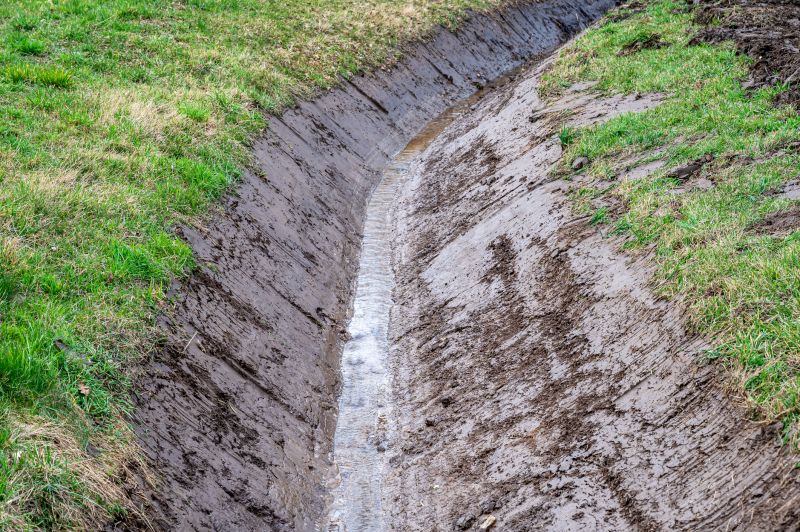
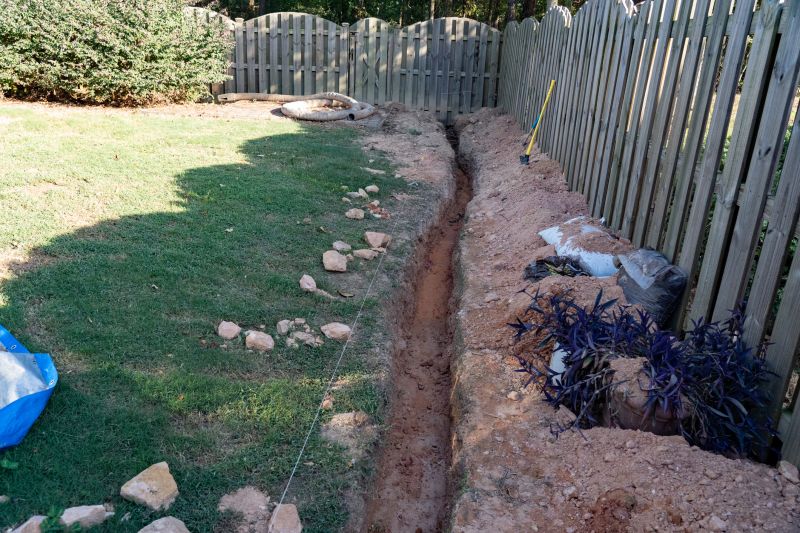
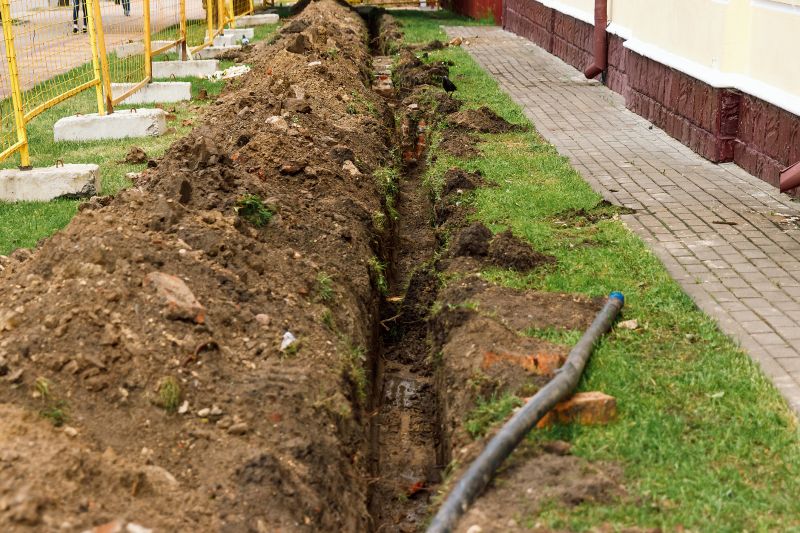
Image of a crew excavating soil for drainage installation during spring.
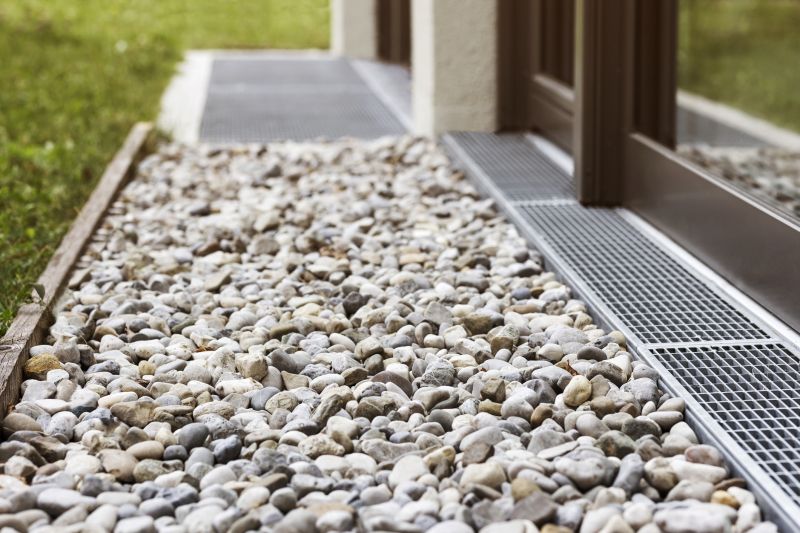
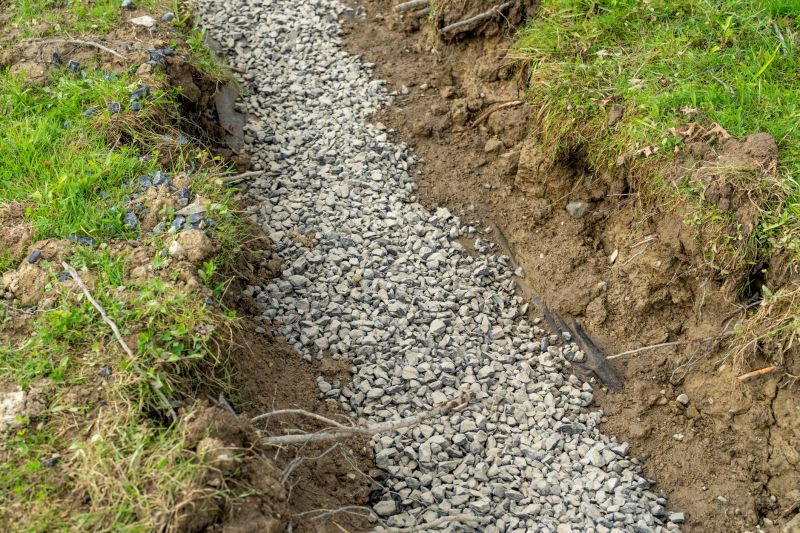
Image showing installation of pipes and gravel bedding in favorable weather.
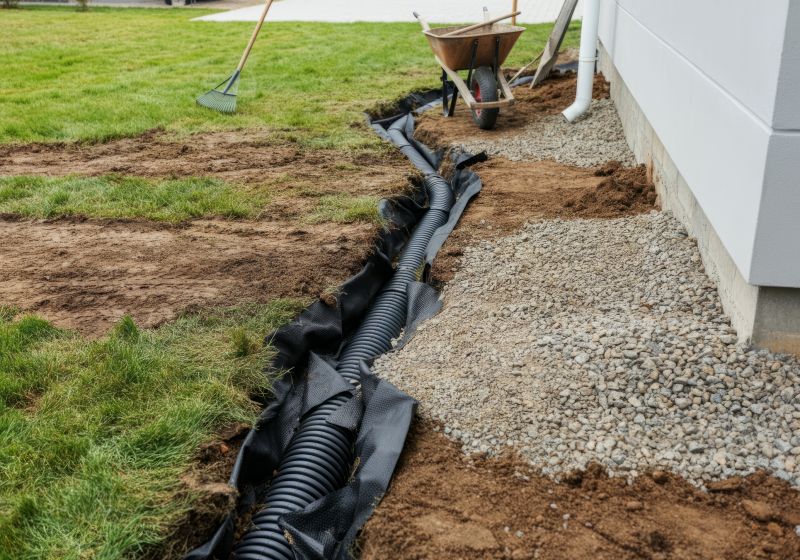
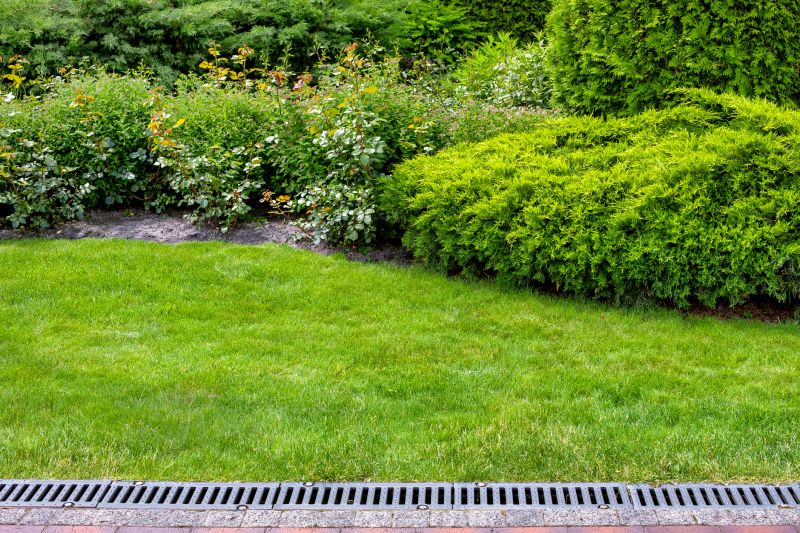
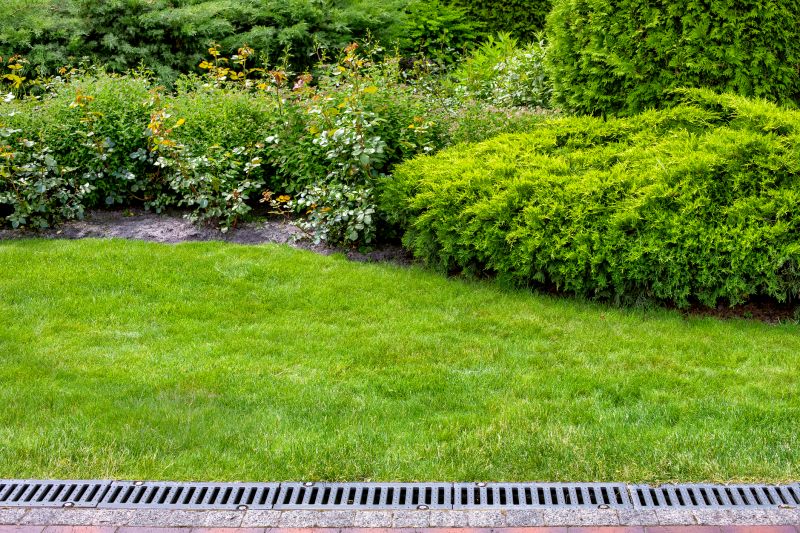
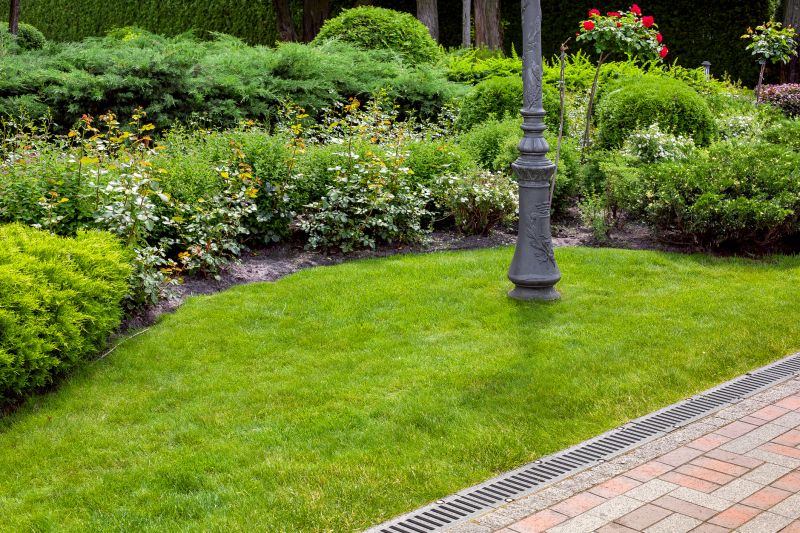
Image of a finished drainage system integrated into a landscaped yard.
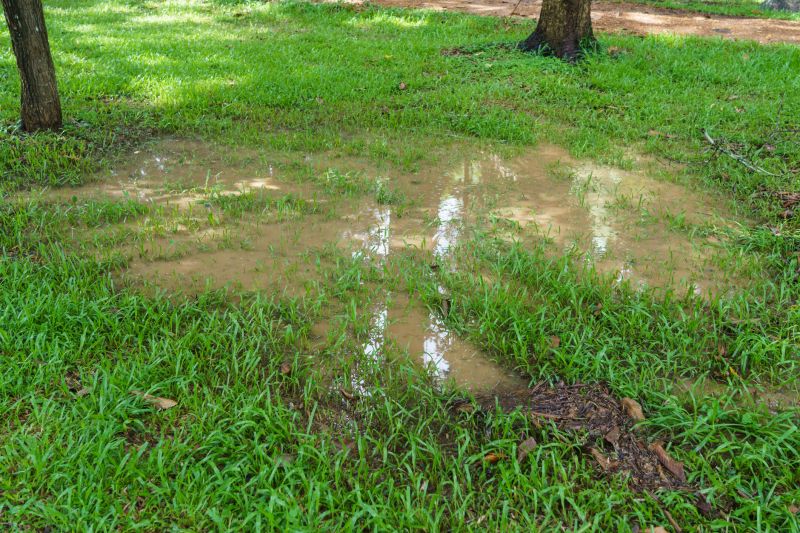
Ways to make Landscaping Drainage Installations work in tight or awkward layouts.
Popular materials for Landscaping Drainage Installations and why they hold up over time.
Simple add-ons that improve Landscaping Drainage Installations without blowing the budget.
High-end options that actually feel worth it for Landscaping Drainage Installations.
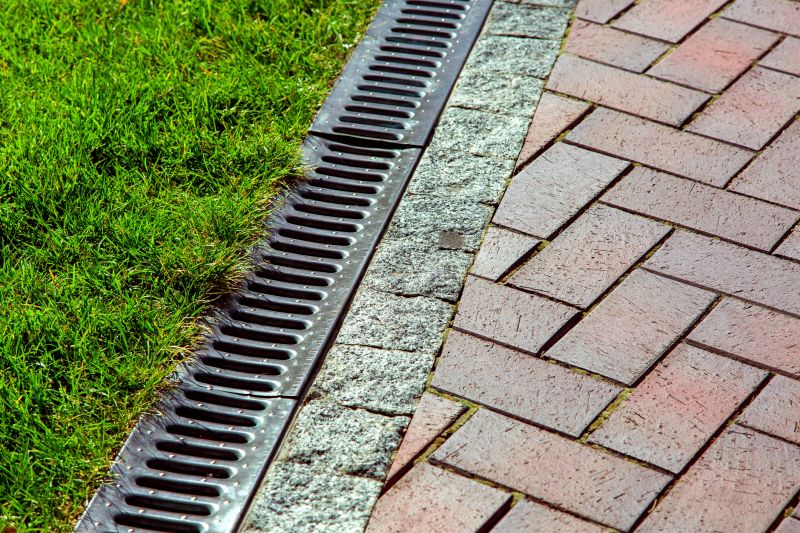
Finishes and colors that play nicely with Landscaping Drainage Installations.
Landscaping drainage installations are essential for managing excess water, preventing erosion, and protecting property foundations. Proper drainage systems improve landscape longevity and reduce maintenance costs. They typically involve grading, installing pipes, and adding gravel or other materials to facilitate water flow away from structures.
Statistics indicate that effective drainage can reduce water-related landscape issues by up to 70%. Properly timed installations align with seasonal weather patterns, ensuring soil stability and system durability. Planning during optimal seasons also allows for better soil preparation and reduces the risk of system failure due to soil movement or saturation.
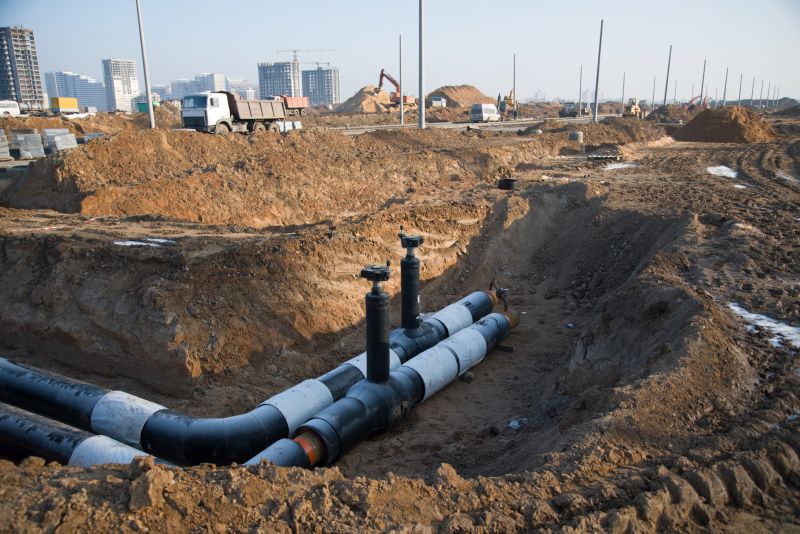
Image of pipes being laid underground for drainage purposes.
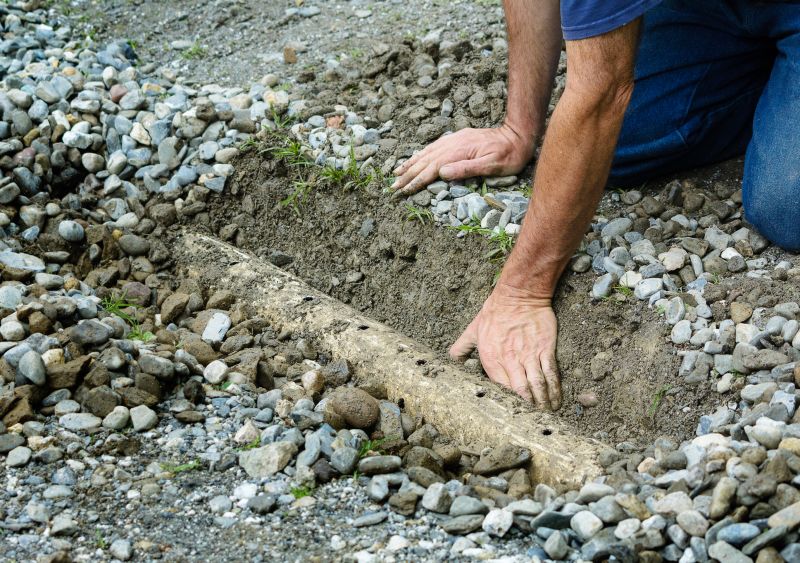
Image showing gravel being added around pipes for stabilization.
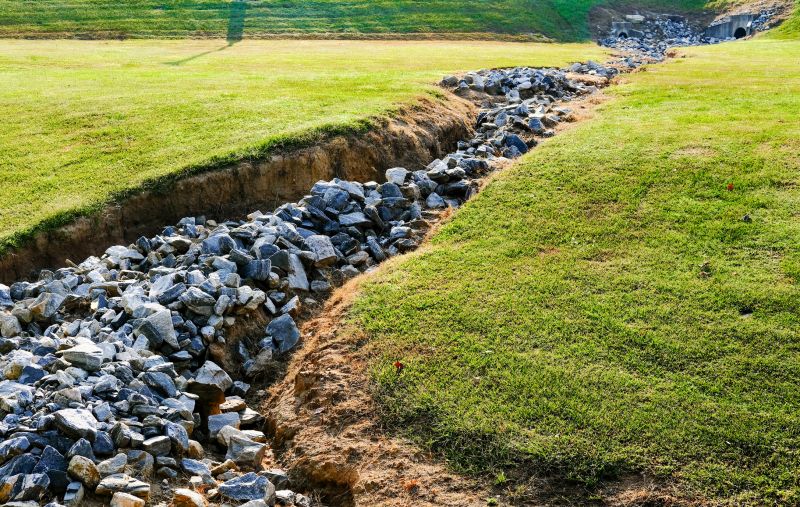
Image of grading process to ensure proper water flow.
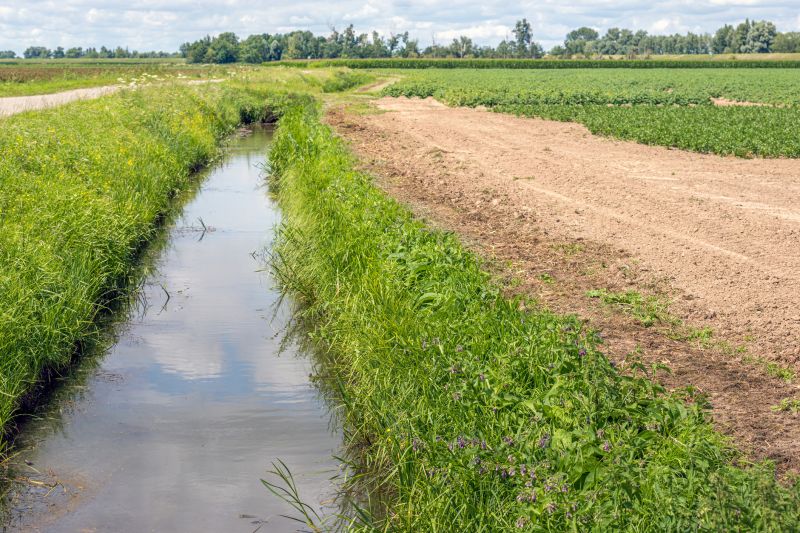
Image of completed drainage installation blending into landscape.
Little measurements that prevent headaches on Landscaping Drainage Installations day.
A 60-second routine that keeps Landscaping Drainage Installations looking new.
A frequent mistake in Landscaping Drainage Installations and how to dodge it.
Small tweaks to make Landscaping Drainage Installations safer and easier to use.
| Season | Advantages |
|---|---|
| Spring | Ideal soil moisture, moderate temperatures, less rainfall |
| Early Fall | Good soil conditions, fewer landscaping disruptions |
| Late Fall | Preparation for winter, soil stabilization |
| Summer | Less recommended due to high temperatures and dry soil |
| Winter | Not suitable due to frozen ground and harsh weather |
Choosing the right time for drainage installation can enhance system performance and longevity. Proper timing reduces the likelihood of weather-related delays and soil-related issues, ensuring a more efficient process and durable results.
Individuals interested in landscaping drainage installations are encouraged to contact for more information or to schedule an assessment. Proper planning and timing can significantly impact the effectiveness and lifespan of the drainage system.